To get the maximum efficiency, lifespan, and energy output from your solar system, focus on these essential optimization practices:
1. Optimize Panel Position and Angle
-
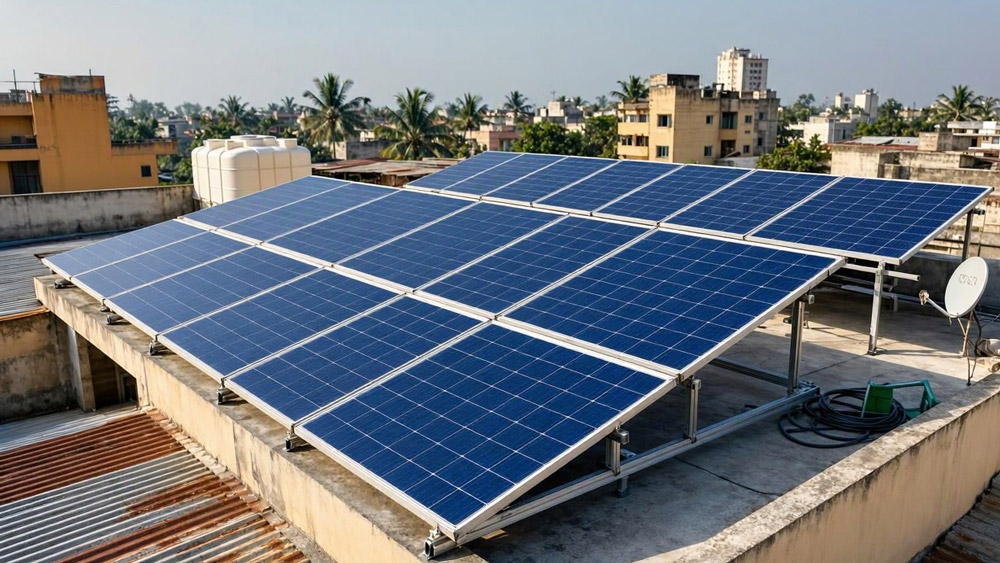
Correct Orientation: Position panels facing true South (if in the Northern Hemisphere) or true North (if in the Southern Hemisphere) to capture the maximum sunlight throughout the day.
-
Optimal Tilt Angle: Set the tilt angle close to your location’s latitude, adjusting slightly steeper in winter to catch lower sun angles.
-
Eliminate Shading: Ensure no trees, tall structures, chimneys, or satellite dishes cast shadows on the panels—even partial shading on a single cell can significantly drop overall system output.
2. Maintain Clean Panels
-
Regular Cleaning: Dust, pollen, bird droppings, and soot block sunlight from reaching the solar cells. Clean panels with soft water and a non-abrasive brush or micro-fiber squeegee every few months or after heavy dust seasons.
-
Avoid Harsh Chemicals: Use plain water or mild soap; avoid abrasive chemicals or cold water on hot panels, which can thermally shock and crack the glass.
3. Monitor Temperature and Airflow
-
Ensure Roof Ventilation: Solar panels actually become less efficient as they get extremely hot. Maintain a gap of at least 4 to 6 inches between the roof and the bottom of the panels to allow air to circulate freely and keep them cool.
-
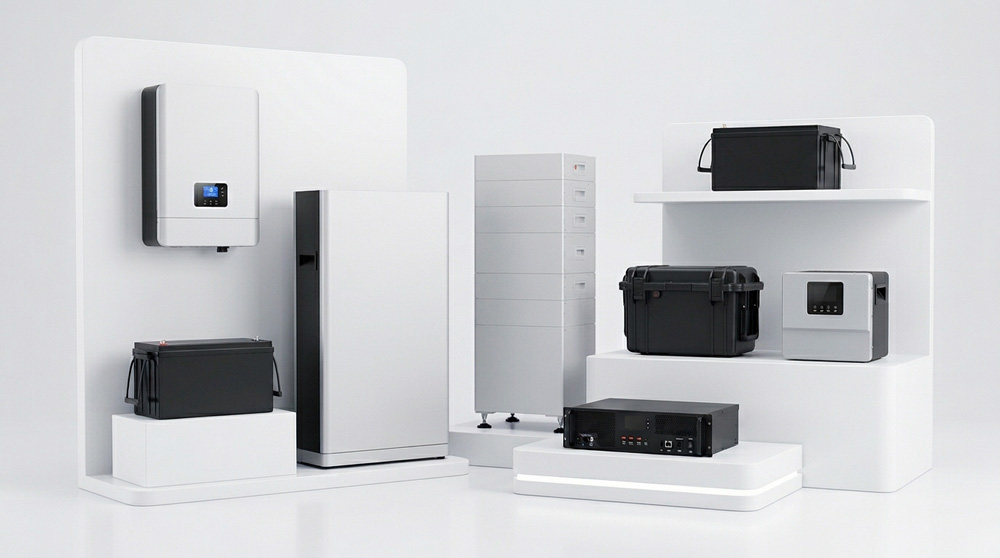
Keep Inverters in Cool Spaces: Mount inverters and battery banks in shaded, well-ventilated, or dry indoor areas away from direct sunlight to prevent thermal throttling and prolong their lifespan.
4. Practice Smart Energy Load Management
-
Shift Heavy Appliance Use to Peak Sun Hours: Run heavy energy consumers—like water pumps, washing machines, air conditioners, and water heaters—during peak daylight hours when solar generation is at its highest, directly utilizing solar power instead of draining your batteries.
-
Use Energy-Efficient Appliances: Pair your solar setup with inverter-based ACs, LED lighting, and low-energy electronics to stretch your stored power further.
5. Care for Your Battery Bank
-
Avoid Deep Discharges: If using lead-acid or AGM batteries, keep the Depth of Discharge (DoD) above 50%. For Lithium (LiFePO4) batteries, try to keep normal daily cycles between 20% and 90% for maximum cycle life.
-
Set Correct Charge Controller Parameters: Ensure your charge controller or hybrid inverter is programmed with the precise voltage settings (Bulk, Absorption, Float) recommended by your battery manufacturer.
6. Use Proper Cable Sizing
-
Minimize Voltage Drop: Use high-grade, heavy-duty copper wiring with appropriate thickness (AWG/mm²) for panel-to-inverter and inverter-to-battery runs. Undersized cables waste power as heat and reduce overall system performance.
7. Monitor System Output Regularly
-
Use Monitoring Apps: Keep track of your daily energy production and battery charge state via smart inverter or charge controller apps. A sudden unexplained dip in daily kilowatt-hour (kWh) generation usually signals dirty panels, shading, or a loose connection that needs quick attention.